



History
Islington was rural throughout the medieval period, being described as a “savage place” and a forest “full of the lairs of wild beasts” where bears and wild bulls roamed.
By the late 16th century, the area slowly grew from a hamlet to a village, spreading along Upper Street and Liverpool Road. The fields between the two roads provided food and shelter for livestock en route to Smithfield Market. This, combined with the fact these roads were the most popular routes in and out of London, meant that numerous pubs sprang up for passing travellers; there were nine clustered in the area by 1590.
Several grand manor houses, now sadly lost, also occupied these bucolic outskirts of the city. As a hub for produce and livestock, Islington became a significant supplier to the burgeoning population of London for butter, cream and milk. In the 18th century, brick terraces began to take over agricultural land, and local farmers turned their hands to manufacturing bricks and developing property.
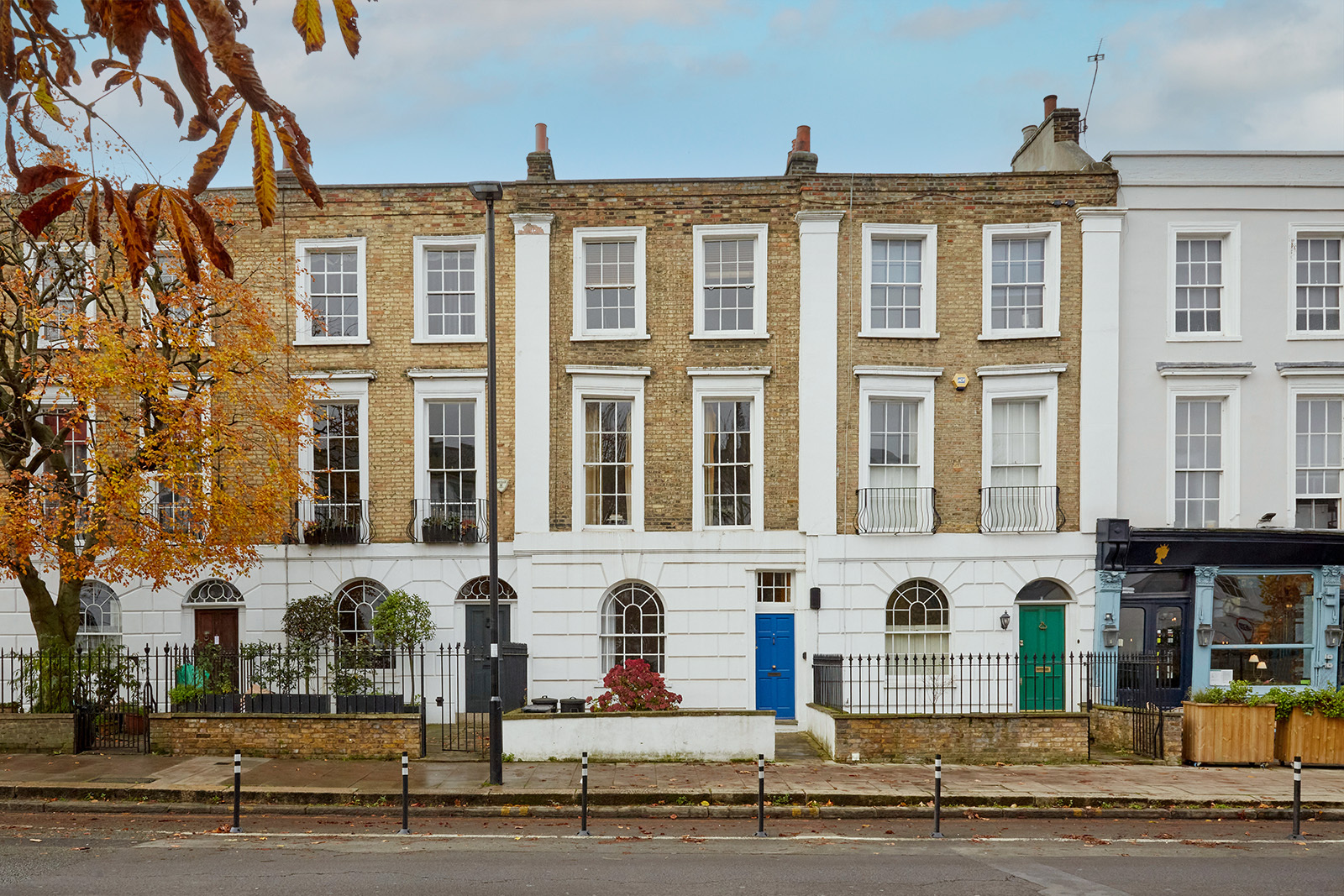
The advent of the Georgian era saw a regularisation of the area. The road was renamed from Back Road to Liverpool Road in honour of the statesman Robert Banks Jenkinson, second Earl of Liverpool and Prime Minister 1812-1827. The 19th century saw a continued expansion in housing. In 1801, the population was 10,212, but by 1891 this had increased to 319,143. This growth was partly due to the introduction of horse-drawn omnibuses in 1830. Large, well-built houses and fashionable squares drew clerks, artisans and professionals to the district.
The Blitz during World War II caused much damage to Islington’s housing stock, with 3,200 dwellings destroyed. In the 1960s, though, the remaining Georgian terraces were rediscovered and celebrated.
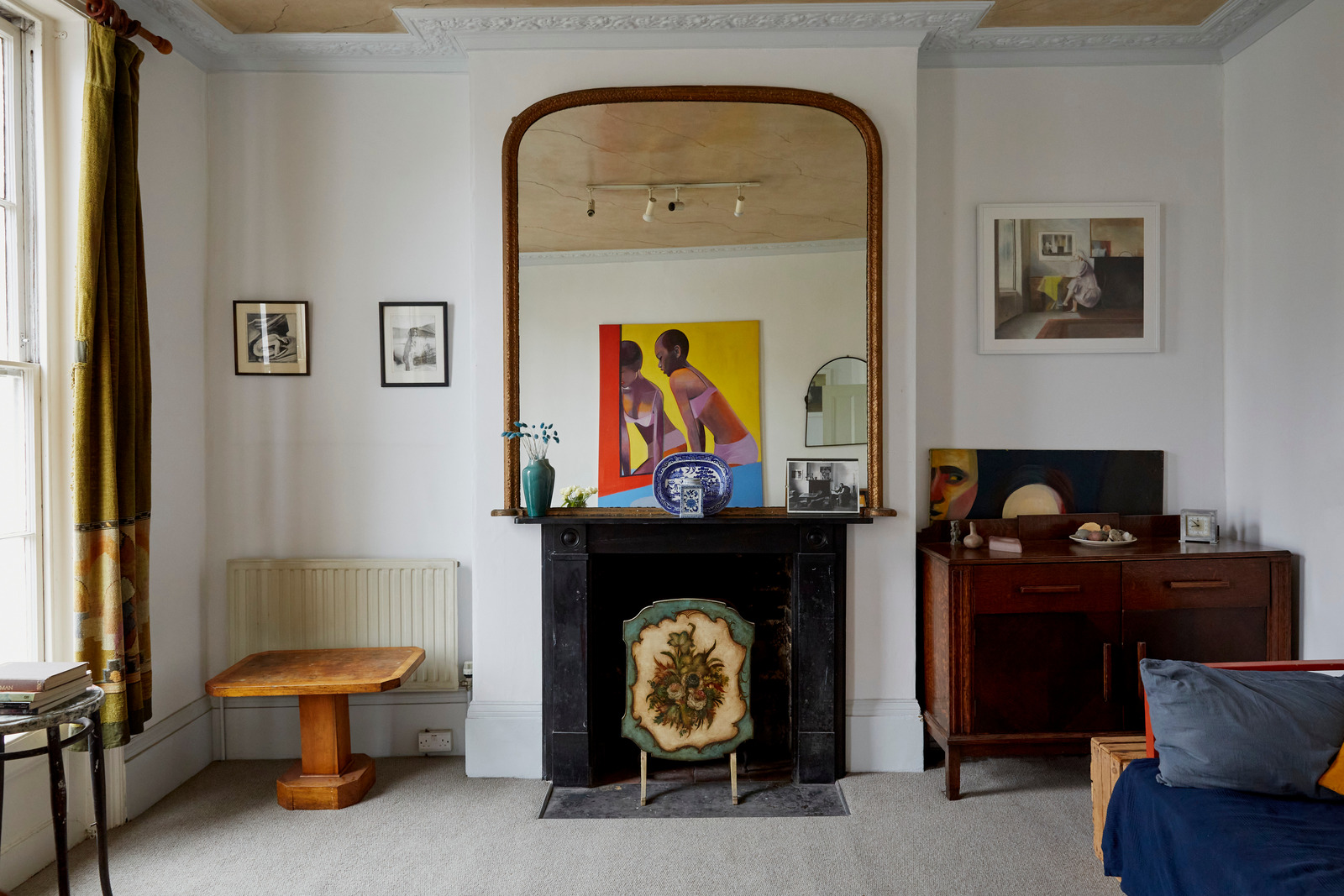
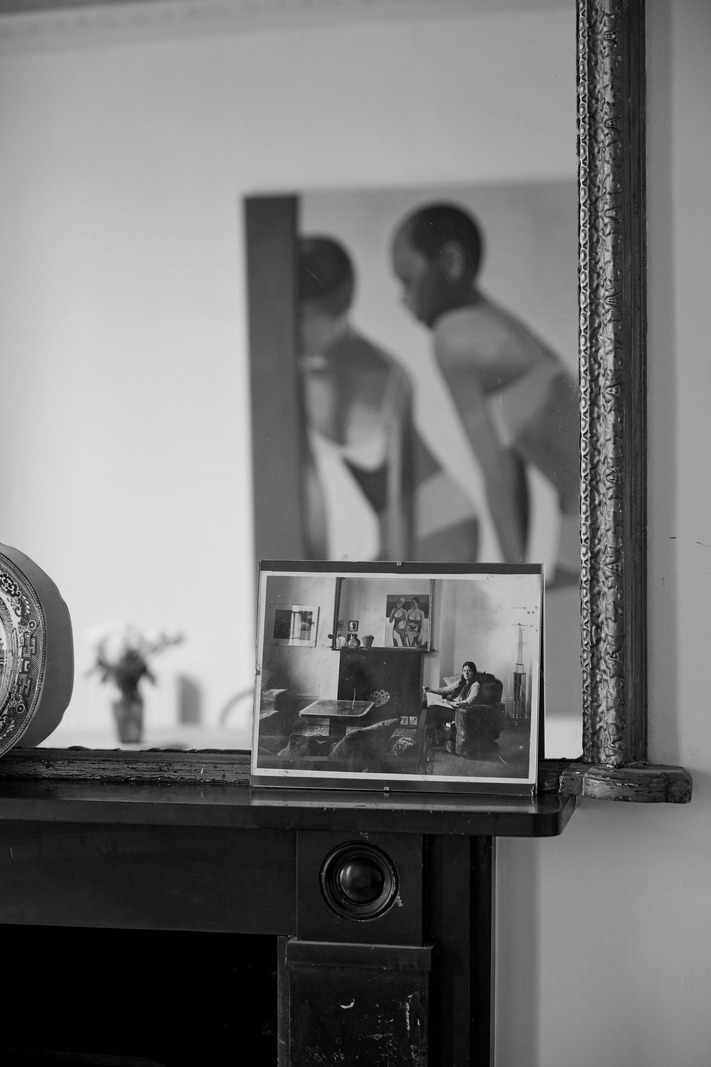
The house, which became the backdrop to Sue Dunkley’s life and creative output, also acted much like a gallery space over the years, where there was never a blank wall. It was also a home to some brilliant parties – a gathering place for like-minded people – with artists and writers talking and drinking animatedly in the kitchen during the 1960s and 1970s, well into the night. Balanced on the fireplace is a black and white picture of Sue Dunkley at home in 1974.
 Related Stories