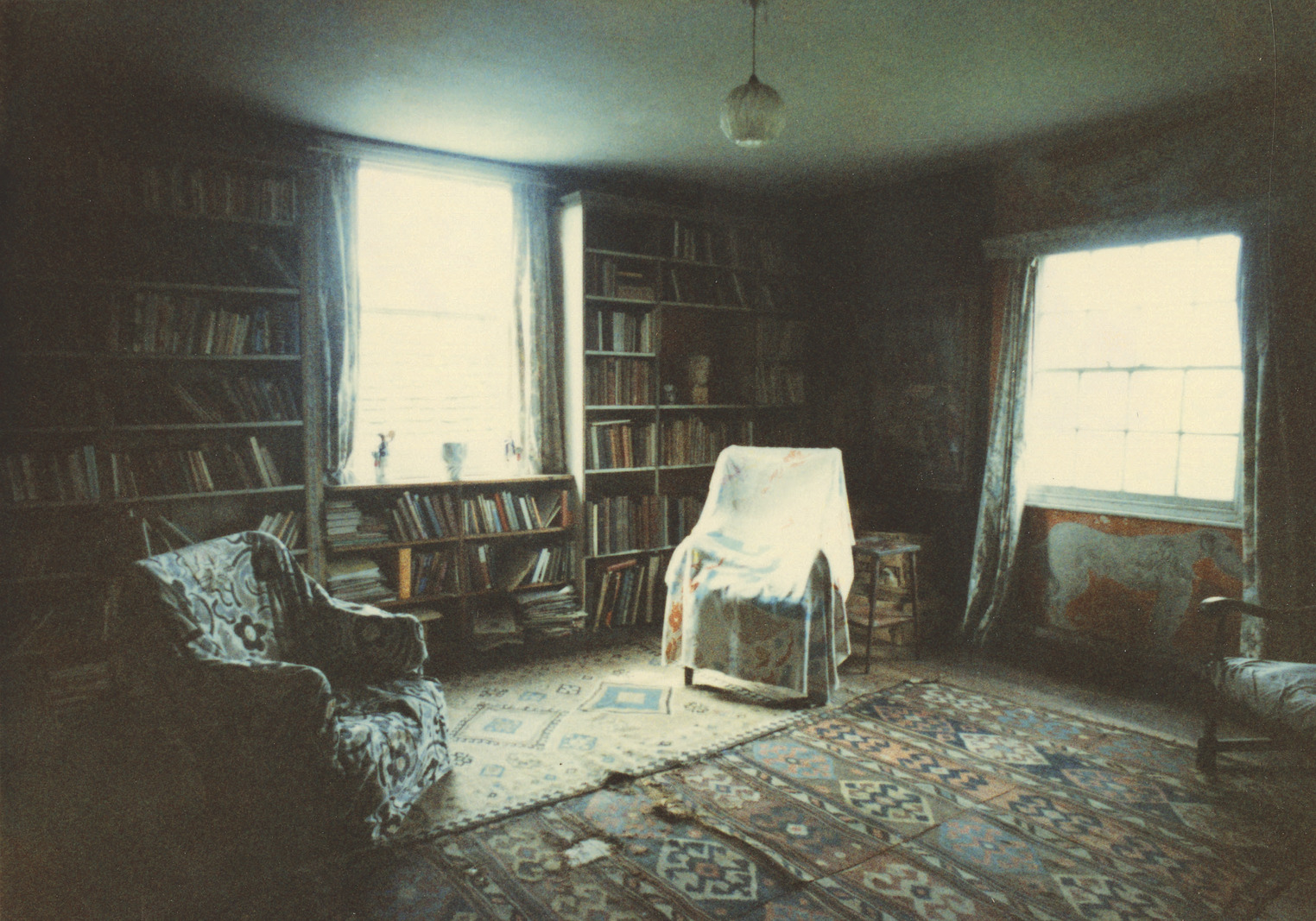
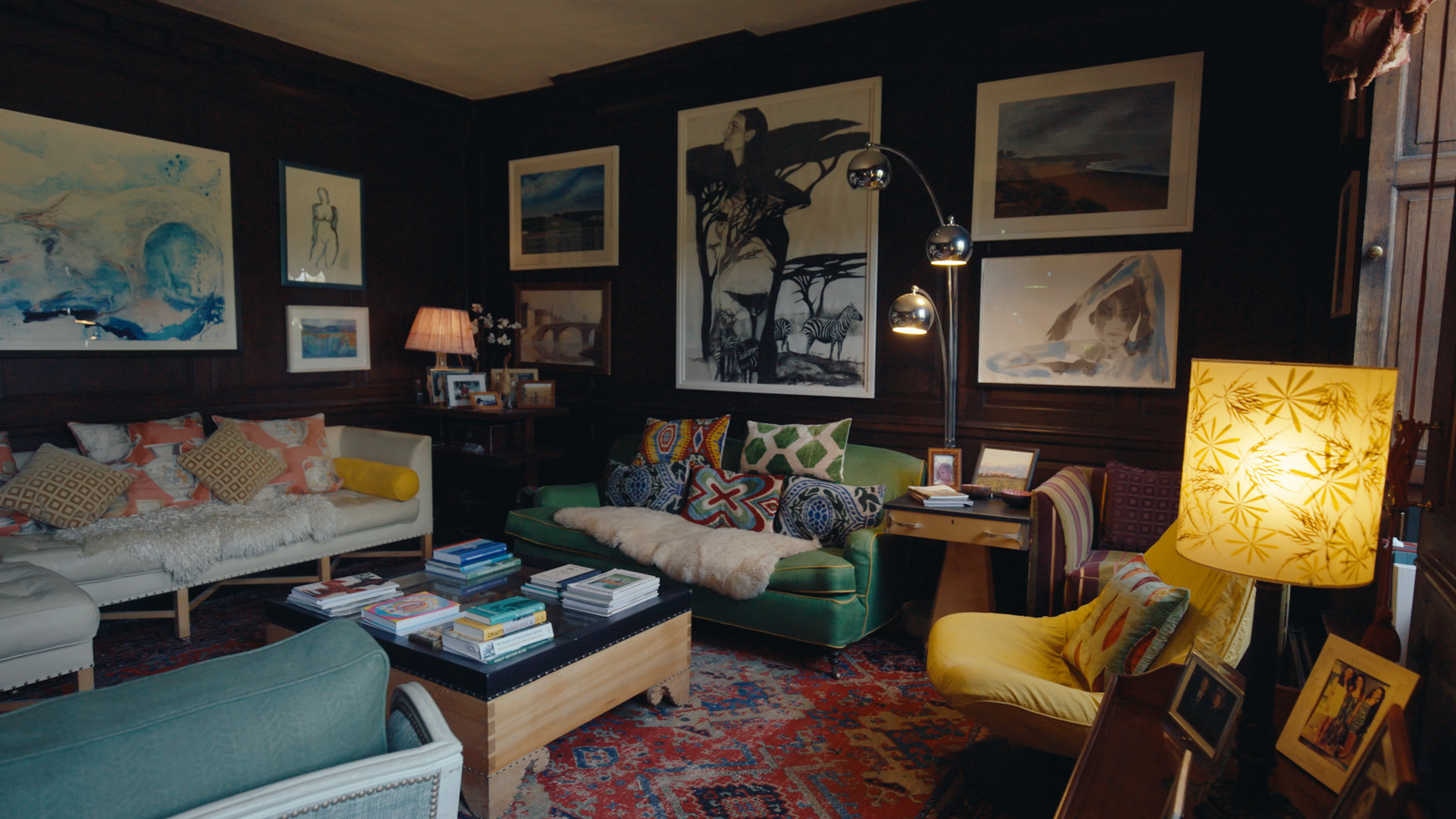
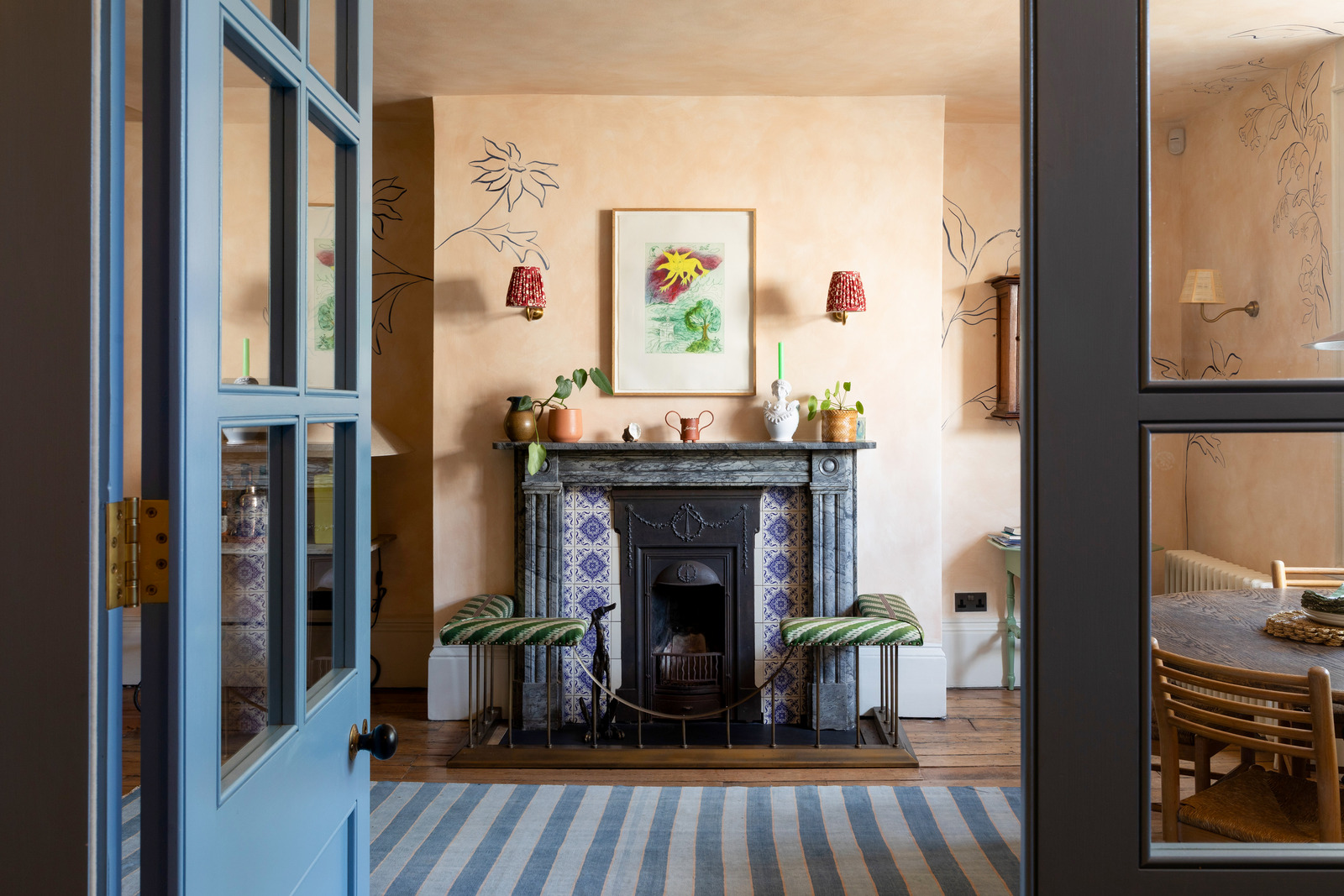
Following the decline of the cloth industry in the early 18th century, other activities such as soap making, tanning, malting and brewing became more prevalent. As in the case of Bear Street, several of the timber-framed buildings were given fashionable brick or plaster facades by the local artisans that lived within them, preserving their vernacular heritage to this day. For more information, please see the History section.
The Grand Tour
The cottage sits beside its twin; both are defined by steeply pitched tiled roofs, overhanging eaves and offset front doors. While the house retains its original floorplan and many period details, it has been sympathetically restored and renovated to create a home that is fit for the modern age.
The cosy dining room is defined and ornamented by the house’s original timber frame; at its centre sits a large brick inglenook fireplace, complete with wood burner and original bread oven. To the side, integrated bespoke joinery provides plenty of accessible storage space.
Stepping down, the snug is a wonderfully light and comfortable space lit by a large, well-proportioned sash window. The walls are painted ‘Pimlico Green’ by Fenwick and Tilbrook, complemented by the Farrow and Ball ‘Picture Gallery Red’ of the dining room.
The bold yet considered palette continues into the bathroom, where raspberry pink bead and butt panelling wraps the walls and inset bathtub. This striking bathroom is fitted with a sink and a towel warmer.
To the rear of the house, the kitchen is a warm and characterful space for cooking and entertaining, and has a small pantry tucked behind a linen curtain. Brick flooring runs throughout and adds to the cottage-style Farrow and Ball ‘Sudbury Yellow’ shaker joinery. A large Belfast sink is set in front of a tri-partite window with views of the garden that will make a hobby of the washing up.
A small lean to, opposite the rear stable-style door, houses the utility and storage space, perfect for stashing wellies and coats after a long walk through the Stour Valley.
Upstairs, both bedrooms are characterised by steep-sided vaulted ceilings and dormer windows with leadlights, creating an atmosphere of quiet retreat and making the most of the house’s original character. A substantial brick chimney breast defines the principal bedroom, and plenty of integrated shelving has been installed to either side.
The Great Outdoors
The extended rear garden rises gently from a brick-tiled patio area; directly connected to the kitchen it is perfect for summer barbecues. Bookending the garden is a summer house with electricity supply and internet, previously used as an idyllic work-from-home office with a short commute. A project for those with green thumbs, the land extends behind the shed and has potential for a south-facing vegetable garden.
The central lawn is flanked by well-planted perennial borders filled with cottage garden classics: irises, budleja, delphiniums, roses and poppies run along the timber fencing on either side. The linear space is broken up by a mature magnolia tree which, come spring, is heavy with blousy blossom.
Out and About
Nayland sits deep in the Dedham Vale AONB, straddling the River Stour as it meanders gently towards the sea. Clustered around the interlocking Bear Street and Mill Street, the village has all the typical accoutrements one would expect: a Grade I-listed church, primary school, GP surgery, pub and, at its heart, the fantastic Mill Street Store and Deli.Colchester and Ipswich are both easily accessible by car for work or more serious shopping.
As the former capital of Roman Britain, Colchester is steeped in history, home to the beautiful ruins of Colchester Castle, the Roman Theatre and St Botolph’s Priory. The town has an excellent range of galleries, cafés and restaurants, including the Firstsite gallery, The Minories and Hollytrees Museum.
Access to the surrounding countryside is immediate; the Stour Valley Path runs right through the middle of the village to Dedham, Flatford and the coast beyond. The Guardian recently described the Harwich peninsula as a ‘revelation’ and ‘like Lymington or Rye, without the price tags’.
The area is extremely well connected; nearby Colchester station provides regular rail services to London Liverpool Street in 50 minutes. The A12 is easily accessed from the area and offers access to the M25, London, the Suffolk coastline and the south-east.
Council Tax Band: H


 Related Stories